The Role of a fish knife in Clean Fish Processing
Open the Secrets of Fish Filleting With a High-Quality Fillet Blade: Tips and Techniques
Fish filleting is an art that requires the right devices and strategies. A top quality fillet blade is vital for attaining clean cuts and precision. Recognizing the makeup of the knife and grasping vital methods can boost one's skills. Numerous forget the importance of workspace prep work and usual mistakes that can lead to squandered fish. This expedition will certainly uncover the nuances of effective filleting and how to stay clear of risks that prevent success.
Comprehending the Composition of a Fillet Blade
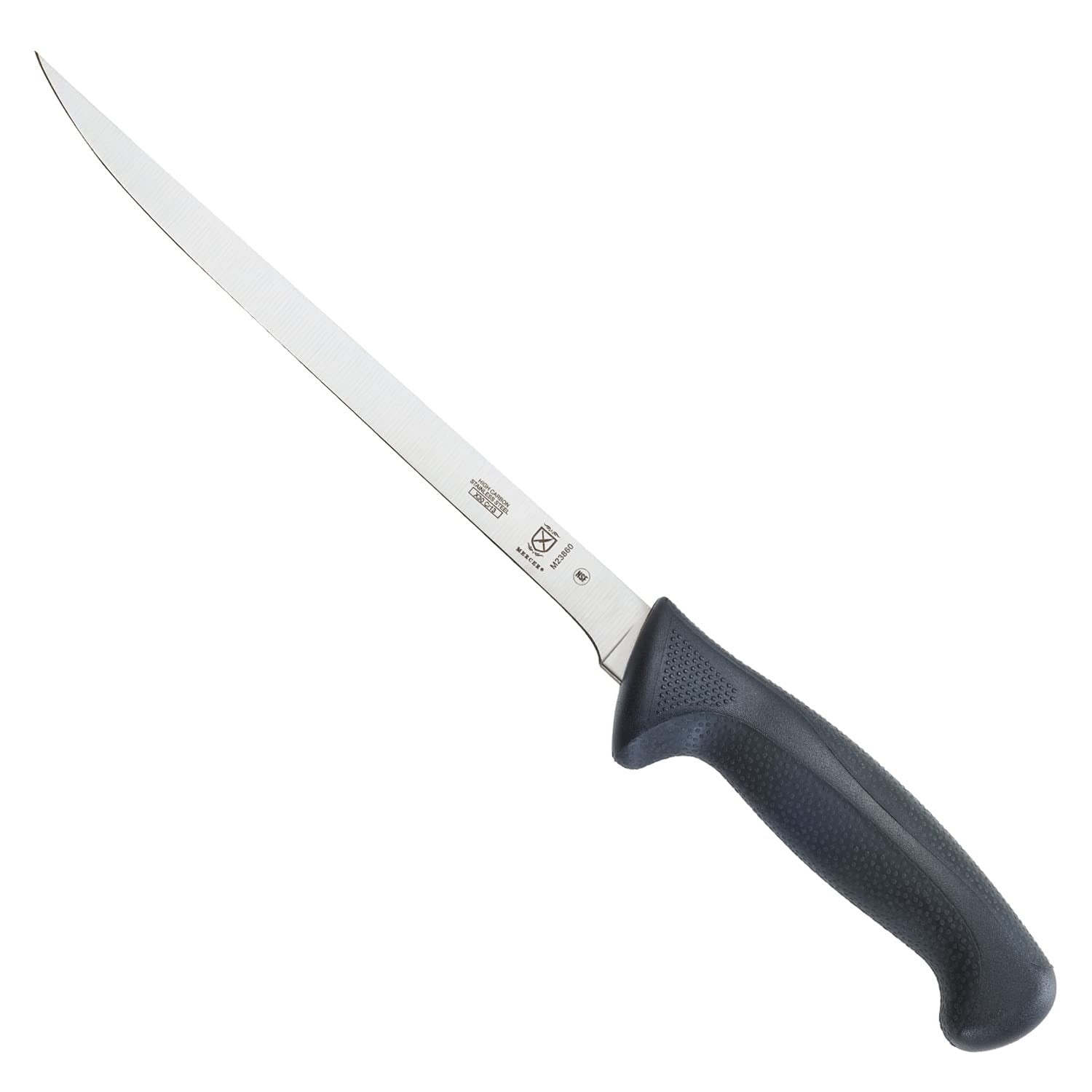
A fillet knife is an important tool for any fish lover, designed particularly for the fragile task of getting rid of fillets from the bone. Comprehending its composition can considerably enhance a user's filleting skills. The blade is usually long, thin, and versatile, enabling exact motions along the fish's back and ribs - fish knife. The sharp side is crucial for tidy cuts that minimize waste and preserve the high quality of the meat
The manage, frequently ergonomically created, supplies a safe grasp, which is basic for control throughout the filleting procedure. It might be made from various products, including timber or artificial composites, each using various degrees of comfort and resilience. The boost, located in between the blade and take care of, includes security and balance. Overall, the cautious design of a fillet knife, from the blade to the take care of, plays a crucial role in guaranteeing reliable and reliable fish preparation.
Choosing the Right Fillet Knife for Your Needs
Choosing the appropriate fillet blade can substantially impact the efficiency and top quality of fish prep work. When picking a fillet knife, numerous factors must be taken into consideration, consisting of blade flexibility, size, and material. A blade generally ranges from 6 to 9 inches, permitting precision based upon the size of the fish being refined. Flexibility is crucial; an extra versatile blade allows intricate cuts around bones and skin, while a stiffer blade supplies better control for larger fish.
The product of the blade additionally plays a considerable duty. Stainless-steel is preferred for its rust resistance and convenience of maintenance, while high-carbon steel uses remarkable intensity however calls for more care to protect against rust. Manage convenience and grip are just as crucial, as a secure hold is vital for safety and precision throughout filleting jobs. By taking these aspects into account, one can pick a fillet knife that satisfies their specific demands and enhances their fish preparation experience.
Crucial Fish Filleting Strategies
Recognizing important fish filleting techniques is vital for achieving precise and tidy cuts. Correct blade grip plays a considerable duty in control and safety and security during the filleting procedure. Additionally, grasping the step-by-step procedure can enhance efficiency and results, making sure a top notch fillet.
Appropriate Blade Grip
Mastering the appropriate blade grasp is an essential ability in fish filleting that can considerably boost precision and control. A firm yet comfy grasp allows the individual to assist the knife efficiently along the fish's body. The most reliable hold includes holding the take care of with the leading hand while squeezing the blade's spine with the thumb and first finger for included stability. This technique gives boosted control throughout elaborate cuts. The non-dominant hand should be used to secure the fish, ensuring it stays steady throughout the process. Proper hold not just improves accuracy however also reduces the risk of mishaps. By focusing on these essential elements, filleting becomes a much more reliable and satisfying task, causing better outcomes.
Filleting Process Steps
With a proper knife hold established, the next step in the fish filleting process entails a collection of precise strategies that guarantee efficient and clean cuts. The fish needs to be placed on a steady cutting board, stomach side up. The fillet knife is then put behind the gills, lowering towards the backbone. A smooth, sweeping activity along the back divides the flesh from the bone. Cautious focus is paid to the chest, making sure all flesh is gotten rid of. As soon as one side is complete, the fish is turned to repeat the process on the various other side. Ultimately, any kind of staying bones or skin are trimmed away, producing clean and gorgeous fillets prepared for cooking.
Preparing Your Office for Filleting
Preparing an office for fish filleting is essential for efficiency and safety and security. An organized area, outfitted with important tools, assures a smooth process while lessening the danger of mishaps. Carrying out proper precaution is essential to safeguard both the private and the workspace during this culinary job.
Clean and Organized Area
A clean and organized office is essential for effective fish filleting. It minimizes interruptions and enables for a efficient and smooth procedure. Before starting, the location ought to be cleared of any type of unneeded products that could interfere with the job. A sterilized surface, ideally made from non-porous product, is optimal for very easy cleaning and to avoid cross-contamination. Having all needed tools within arm's reach, such as get redirected here cutting towels and boards, can enhance performance. In addition, organizing the office with designated areas for devices and particles disposal assists keep sanitation and order. This prep work not only cultivates a safer atmosphere however likewise improves emphasis, allowing filleting techniques to be carried out much more efficiently and with greater precision.
Vital Devices List
An effective fish filleting procedure relies greatly on having the right tools available. Essential things include a high-quality fillet knife, which assures accuracy and ease when reducing via fish flesh. A tough cutting board is critical for providing a stable surface area and protecting kitchen counters. Furthermore, a set of fish pliers aids in eliminating bones successfully. Having a sharpener close-by is vital to maintain the knife's side throughout the process. A container for scraps maintains the work area tidy. A towel can aid in managing unsafe fish and cleaning surface areas. By collecting these tools, one establishes the stage for a effective and enjoyable filleting experience, promoting both performance and efficiency.
Appropriate Precaution

Tips for Maintaining Your Fillet Blade
Proper upkeep of a fillet knife is crucial for ensuring ideal efficiency and long life. Regular cleaning after each use is crucial; a straightforward laundry with cozy, soapy water adhered to by detailed drying protects against corrosion and deterioration. It is a good idea to stay clear of saturating the knife or placing it in a dish washer, as these techniques can take care of and damage the blade.
Honing the knife occasionally is likewise considerable. Utilizing a whetstone or developing pole can assist maintain a knifelike side, which is necessary for accuracy filleting. Furthermore, keeping the knife correctly secures its blade; a blade sheath or magnetic strip is favored over a drawer where it might come across other tools.
Examining the knife routinely for indications of wear or damages warranties that it stays risk-free and efficient. By sticking to these maintenance tips, customers can extend the life of their fillet knife and improve their general fish filleting experience.
Typical Blunders to Avoid When Filleting Fish
Filleting fish can be a satisfying experience, however typical blunders can bring about squandered meat and disappointment. One frequent mistake is utilizing a dull blade, which can make exact cuts challenging and result in tearing the flesh. Furthermore, many newbie fishermens overlook to appropriately scale the fish, making it challenging to achieve clean fillets. An additional mistake is not following the all-natural contours of the fish; cutting against the grain can bring about unequal items and thrown away meat. Failing to eliminate all bones can additionally diminish the last dish, as diners might encounter undesirable surprises. Hurrying with the procedure can lead to careless cuts and safety dangers. By bearing in mind these usual mistakes, individuals can enhance their filleting technique and ensure a more efficient and satisfying experience when preparing fish.
Enhancing Your Fish Meals With Flavorful Marinades and Seasonings
Seasonings play an essential duty too. A spray of sea salt and fresh fractured pepper can highlight the intrinsic tastes of the fish, while spices such as paprika or cumin can add warmth and intricacy. In addition, including components like ginger or chili can introduce an amazing kick.
Explore numerous mixes permits chefs to find distinct tastes that enhance various fish types. Inevitably, the best sauce or flavoring transforms an easy fish recipe right into a cooking joy, making it remarkable for those that indulge.
Often Asked Concerns
How Do I Sharpen My Fillet Blade in the house?
To sharpen a fillet blade in the house, one can use a whetstone or honing rod (fish knife). Preserving a constant angle while honing warranties an effective edge, while regular sharpening maintains the blade in peak problem for filleting
Can I Utilize a Fillet Blade for Various Other Kinds Of Meat?
Yes, a fillet blade view it can be utilized for various other sorts of meat, although its style is optimized for fish. Its adaptability and intensity might help in accurate cuts, but specific meat blades are usually much more efficient.
What's the Best Means to Tidy My Fillet Blade After Usage?
To clean up a fillet blade after a knockout post use, one must wash it with warm water, apply mild soap, gently scrub the blade with a soft sponge, and thoroughly dry it to protect against corrosion and maintain intensity.
Just how Often Should I Replace My Fillet Blade?
A fillet blade ought to be replaced every one to two years, relying on use and upkeep. Normal sharpening and correct care can prolong its life, however signs of wear indicate it's time for a substitute.
Are There Details Brands of Fillet Knives Recommended for Beginners?
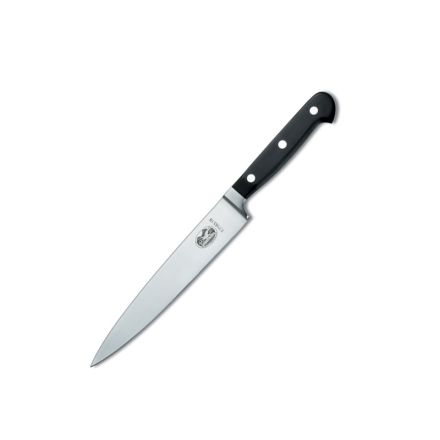
A number of brands are suggested for newbies, including Victorinox, Rapala, and Dexter-Russell. These blades offer a good balance of top quality, affordability, and simplicity of usage, making them optimal for those brand-new to fish filleting.
A fillet blade is a necessary tool for any kind of fish fanatic, made especially for the fragile task of getting rid of fillets from the bone. Picking the proper fillet knife can substantially affect the efficiency and top quality of fish prep work. Essential products consist of a high-quality fillet blade, which ensures accuracy and simplicity when cutting through fish flesh. Correctly protecting the fish with a towel or a specialized fish owner can give additional control. Yes, a fillet knife can be used for various other types of meat, although its style is optimized for fish.